Forwarding cataract FAQ, need to give patients popular science to use
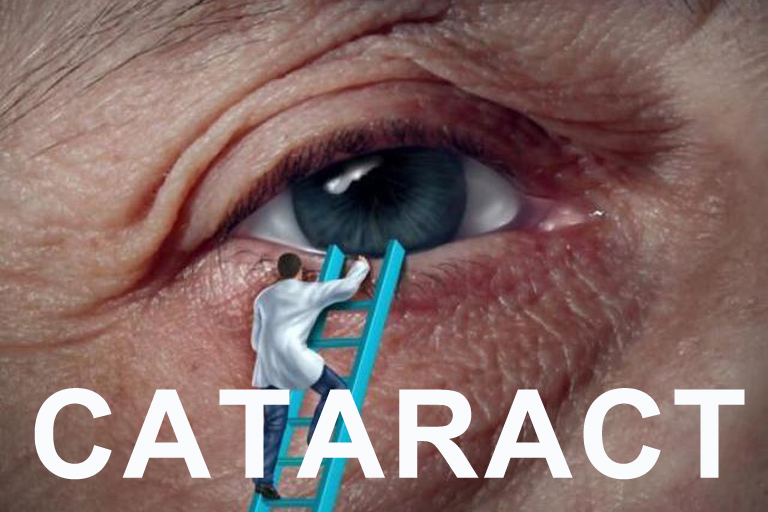
👁️🔬 Understanding Cataracts: A Comprehensive Guide
Age is the most important factor in developing cataracts. Imagine your eye's lens as a window that becomes cloudy over time, affecting your vision. This natural process happens as our bodies age, and it's something we all experience to varying degrees.
💊 Are Cataract Medications Effective?
Unfortunately, medications can only slow the progression of cataracts at best. Cataract development is a slow process, and using drugs makes little difference for most patients. I generally advise against using eye medications for treating cataracts, as they can be a waste of money and uncomfortable to apply.
⚕️ The Preferred Treatment: Cataract Surgery
The preferred treatment for cataracts is surgery. Modern surgical techniques have advanced to the point where we no longer need to wait for cataracts to "mature" before operating. If vision loss is affecting your daily life, it's time to consider surgery.
🕒 When is the Right Time for Surgery?
- Today's surgical techniques allow for treatment as soon as cataracts impact your quality of life.
- The "mature" stage, where the lens is completely cloudy, is no longer a prerequisite for surgery.
- Recent advancements have replaced older, more invasive methods with ultrasonic emulsification combined with artificial crystal implantation.
🚫 Risks of Not Treating Cataracts
While cataracts progress slowly, leaving them untreated can lead to inflammation or acute closed-angle glaucoma, which requires immediate attention. In areas with good medical care, patients are more proactive in managing their cataracts.
⚠️ Is Cataract Surgery Dangerous or Complicated?
Any surgery carries risks, but cataract surgery is considered a moderate procedure in ophthalmology. It's performed in less than half an hour by experienced specialists. However, it's important to remember that no surgery is without risks, and results can vary.
🏥 Understanding the Risks
- Complications, while rare, can include "explosive bleeding of the vein membrane," which is serious but unlikely.
- Cataract surgery has matured, and experienced surgeons perform dozens of operations daily.
- If a doctor guarantees 100% safety or effectiveness, be cautious; such assurances are often misleading.
🔎 Vision After Cataract Surgery
The restoration of vision after cataract surgery depends on various factors. It's like a camera; if the lens is replaced but other components are faulty, the image remains unclear. Conditions like corneal edema or glaucoma can affect the outcome.
📈 Stabilizing Vision
- Artificial crystal implants require time to stabilize, with vision fully stabilizing after 1-3 months.
- Patients with no underlying eye issues can expect good optimal corrective vision post-surgery.
🛠️ Selecting Artificial Crystals (IOL)
Artificial crystals, or intraocular lenses (IOLs), replace the natural lens during surgery. There's a wide variety to choose from, each with its benefits:
🔩 Types of Artificial Crystals
- Hard Artificial Crystals: Require a larger incision and stitches, leading to more astigmatism and a longer recovery.
- Foldable Artificial Crystals: The majority of patients opt for this type due to its smaller incision size, reduced astigmatism, and faster recovery.
- Specially Treated Artificial Crystals: Designed for patients with specific eye conditions, offering benefits like reduced post-surgical inflammation.
- Dual Focus/Adjustable Artificial Crystals: Aim to provide clear vision for both near and far distances, though some patients may experience side effects like halos around text.
🌐 Advances in Artificial Crystal Design
- Aspherical and yellow-tinted artificial crystals are newer options that improve image quality and provide better vision in various lighting conditions.
🔄 Will Cataracts Return After Surgery?
Cataract surgery completely removes the lens, preventing cataracts from reforming. You won't have to worry about getting cataracts again after the procedure.
🛑 Post-Surgery Care
After surgery, you can return to normal life activities, such as watching TV, reading, or playing mahjong. Just be mindful not to overexert your eyes and avoid colds, which can complicate recovery.
Related News